

Is Vibe Coding Bad?
Recently, the concept of vibe coding has become very popular among developers.
In this approach, you don't worry about detailed plans or minor technical details - you tell the AI what to do and it writes the code for you.
In this article, I'll explain what vibe coding is, how beneficial or harmful it can be, and how tools like
Antigravity, Cursor, and Claude play a role in this process based on real experience.
Vibe coding — is an intuitive (from Latin intuitio — I look carefully), fast and easy (vibe) based code writing method using AI.
Often there's no detailed architecture document, but the general idea and result are what matters.
In practice it looks like this: you say "create a React + Node.js project, add auth, write tests" -
and AI automatically creates components, APIs and even tests.
| Pros | Cons |
|---|---|
| Very high coding speed — you can prepare an MVP in hours | Code quality is not always ideal |
| Get rid of boilerplate code | Deep understanding may decrease |
| Easier to try new technologies | Security bugs (e.g., SQL injection) may remain hidden |
| Junior developers can see real projects faster | Maintaining a unified standard within a team becomes difficult |
Google Antigravity - is an agent-first AI IDE developed by Google that allows using multiple AI agents in parallel.
This tool is very convenient for large and complex projects, as each agent performs a separate task: creating components, writing tests, preparing deploy scripts and even Docker configuration.
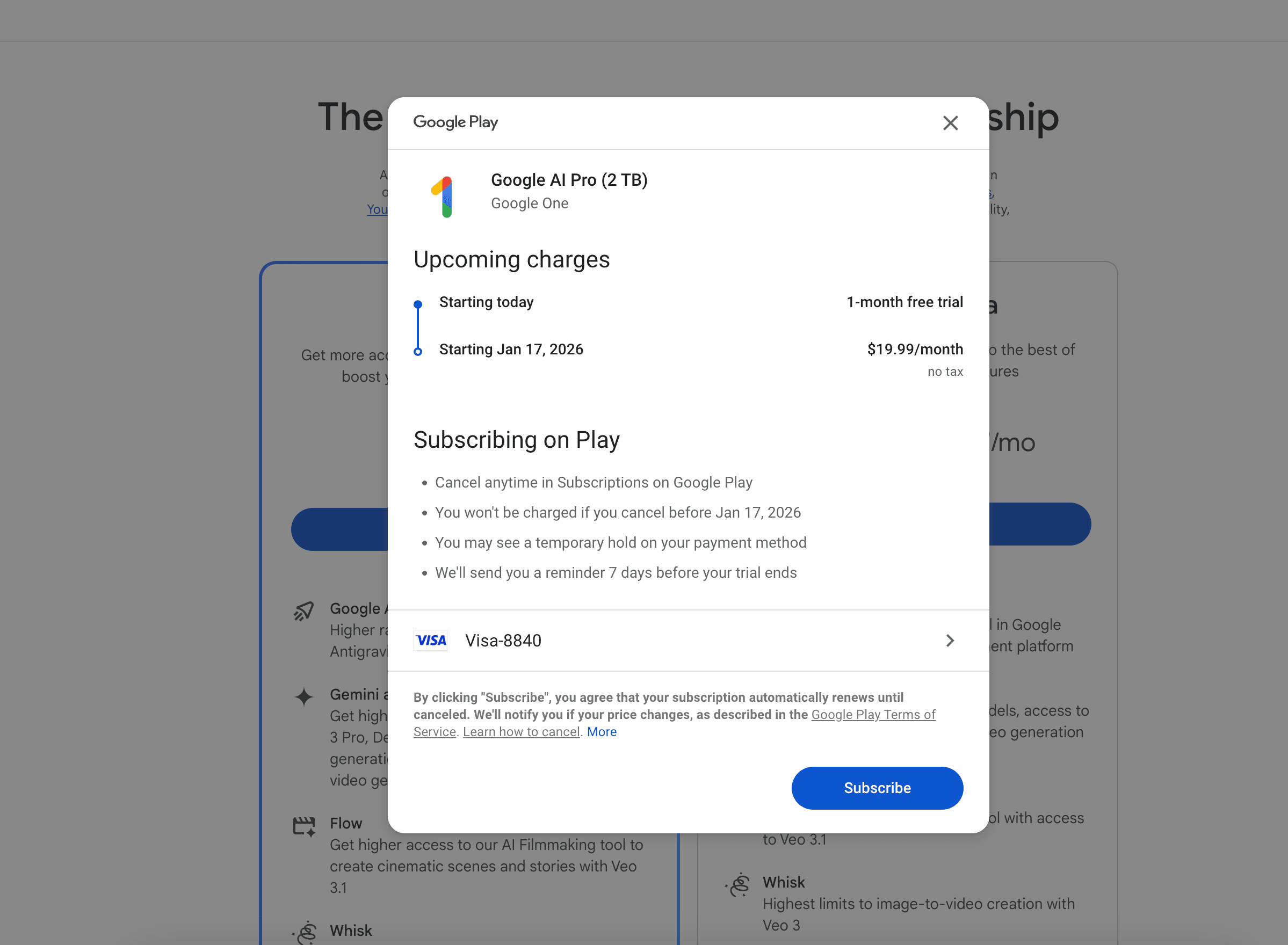
Antigravity is currently available as public preview and Pro version is $19/month.
Official site: antigravity.google
Cursor - is an AI IDE that works with a VS Code-like interface. It supports tab completion and agent requests, so it's convenient for frontend and fullstack developers.
Cursor Pro version is $20/month, offering model credits and unlimited tab functions.
Official site: cursor.com
Claude (Anthropic) - is an AI assistant that mainly gives deep advice on backend and system design.
It responds quickly and accurately to prompts, strong at explaining architecture and patterns. Claude Pro mode is $20/month, allowing 100+ hours of Claude 3.5 Sonnet model usage.
Official site: anthropic.com/claude
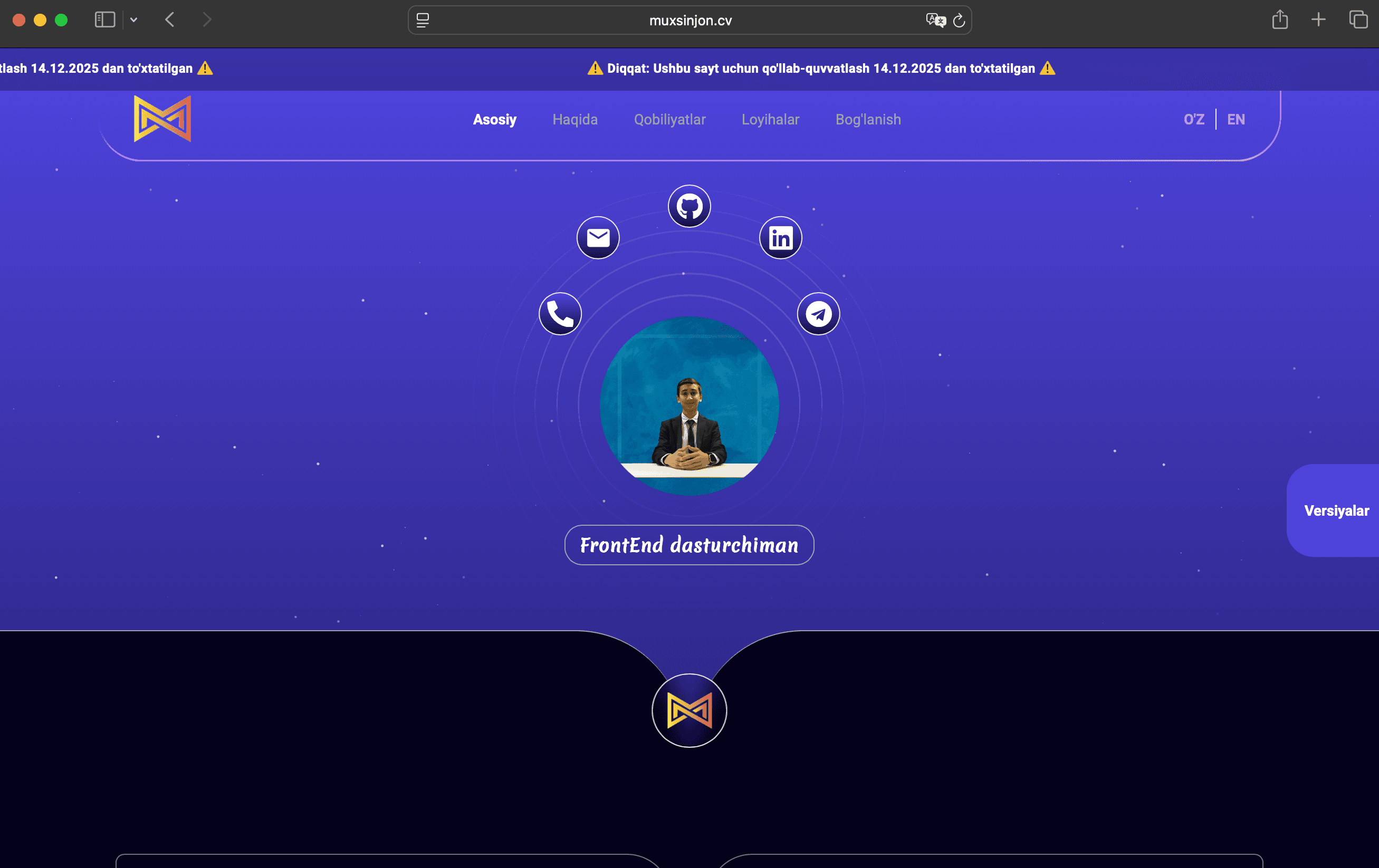
From my experience: I set up a Next.js 16 project in 10 minutes using Antigravity. But muxsinjon.uz was written completely manually and finished in 1 month, applying all my knowledge.
There are small UI and performance bugs, but the important thing is it saves time and delivered an MVP version. Below is the state when running the generated code:


Conclusion: vibe coding is not bad.
It frees you from small tasks that slow you down, but it's not a fully automatic solution.
The right approach is 80% AI + 20% human oversight.
Then vibe coding truly becomes a powerful tool.
AI won't replace developers, developers who use AI will replace developers who don't!!!